Description
Arsenic Iod 3X
Introduction: This is shining laminae of a fine brickred colour, soluble in alcohol and water. In
1872, H. Nankinwell was residing at the seashore where patients were coming to get free air in
order to get improvement from tuberculosis. During that period, he gave this medicine in lower
dilution in repeated doses and reported the cure of many tuberculosis cases.
Synonym: Iodide of Arsenic. Formula As I3.
Source: It is a chemical compound of Arsenic and Iodium, Arseni Triiodium.
Preparation: The drug is triturated with sugar of milk.
Proved by: First proved by Dr. E.W. Beebe.
Guiding symptoms/Indications:
1. Debility, extreme anaemia, hectic condition with many abscesses.
2. Always takes cold easily which brings on coryza.
3. Formication all over body.
4. Induration of glands and ulcers.
5. Increased mucous secretions, discharges are irritating to the membrane from over which they
flow.
6. Increasing loss of flesh and weight.
7. Catarrh of middle ear, foetid corrosive discharge, hypertorophied eusta-chian tube and
deafness.
8. Marked exfoliation of skin in large scales. There is anaesthesia and burning of the skin.
Particulars:
1. In coryza: Patient will have thin, watery, irritating, excoriating discharge from anterior and
posterior nares associated with sneezing. Character of discharge is profuse, greenish-yellow
and pus like and is persistently excoriating. It irritates every portion over which it flows and
hence it is for both acute coryza and chronic nasal catarrh.
2. In tuberculosis: Patients require it in early stage of tuberculosis. There is hoarse racking
cough with profuse expectoration of purulent nature. Patient is greatly emaciated with
weakness and constant fever, debilitating night sweat, persistent diarrhoea and tendency for
general glandular involvement. Usually patients belong to hot group with desire for cold
open air. There is a tendency to catch cold easily.
Constitution:
1. Physical appearance: Well fleshed man with glandular affections.
2. Miasms : Both psoric and syphilitic miasms play role.
3. Diathesis: Tubercular.
4. Temperament: Irritable.
5. Mental Generals: Irritable.
Dose and administration: 1 tab 3 to 4 times daily for adult. ½ tab for 3 to 4 times daily
children.
Side effects: No significant side effect has been observed in proper dosage
Contraindication: There is no known contraindication.
Relationship:
– Complementary: phos.
– Remedy follows well: conium is sensitive lump in breast, sulphur in pulmonary tuberculosis.
– Remedy antidotes: millef (producing diarrhoea).
– Remedy is antidoted by bryonia if it produces pain and acid dyspepsia
(pyrosis).
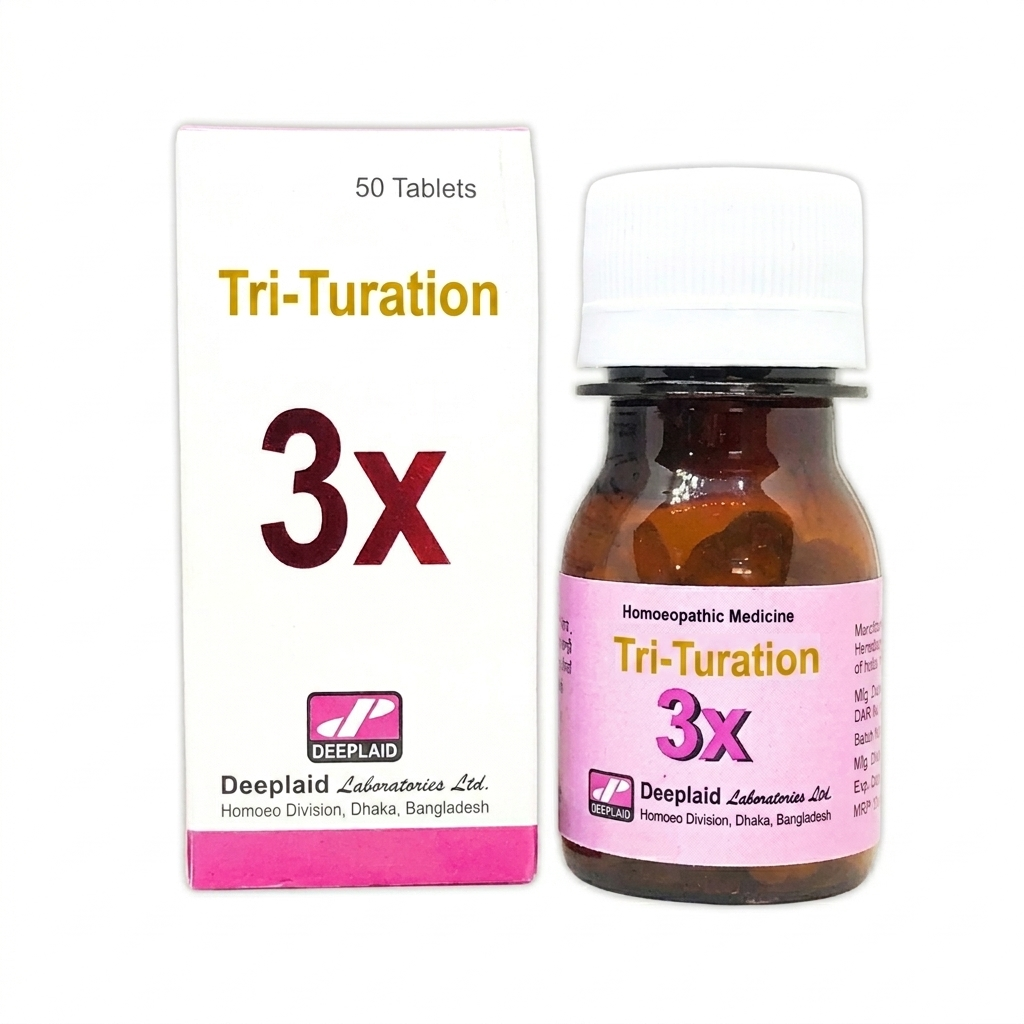
Presentations: 50 tabs (20 gm in PET bottle), 450gm powder in container.



Reviews
There are no reviews yet.